
Mosquito Repellent Natural Ingredients That Work for Everyday Protection
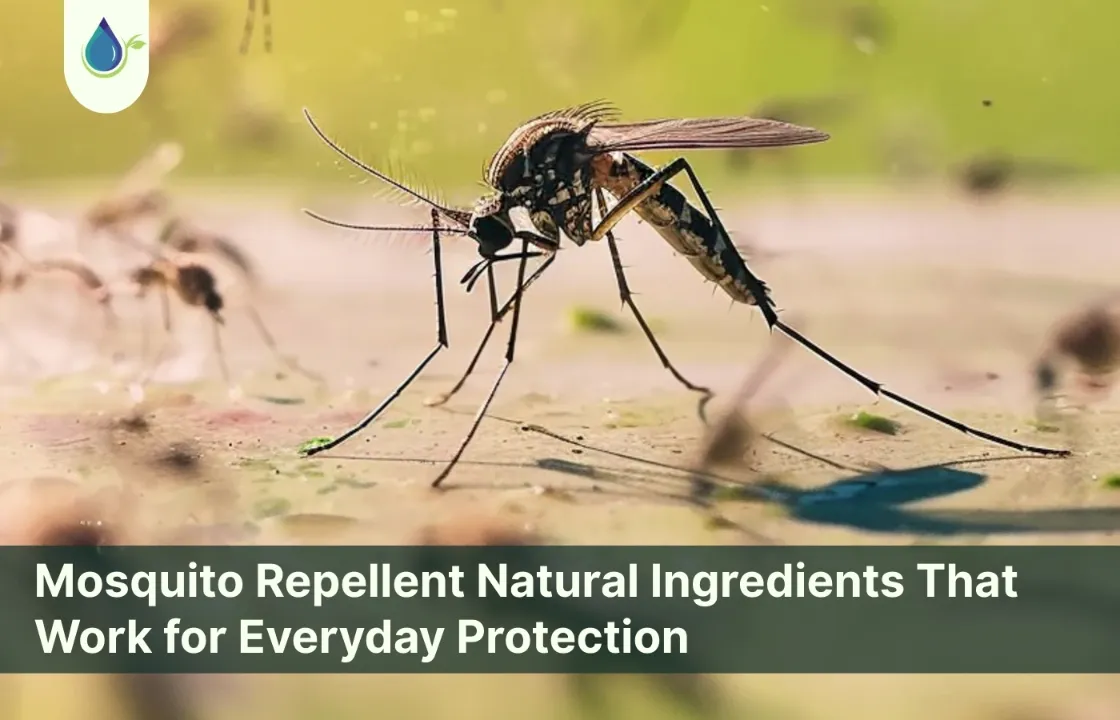
Many households today want mosquito control that feels safe, mild, and comfortable to use around children and pets. People are becoming more careful about indoor air quality and skin-friendly products, so they look for options that fit a cleaner lifestyle. This is where mosquito repellent natural ingredients become useful. These plant-based solutions rely on aroma and evaporation, creating an environment mosquitoes prefer to avoid. They offer gentle protection without the heavy fumes or strong chemical scent of traditional repellents, and they blend easily into daily routines.
How Mosquito Repellent Natural Ingredients Disrupt Mosquito Senses
Mosquitoes locate humans through heat, scent, and carbon dioxide. Natural plant oils interfere with these signals. When the oils evaporate into the air, they interrupt the mosquito’s ability to recognise human markers, making it difficult for the insect to land or bite. The purpose of natural mosquito repellent ingredients is primarily to repel rather than kill but to create a scent boundary that confuses them. This is why these ingredients are suitable for bedrooms, balconies, gardens, and indoor spaces where comfort and air quality are essential. Their protective effect begins as soon as the aroma spreads through the air.
Popular Mosquito Repellent Natural Ingredients People Use at Home>
Citronella is one of the most widely recognised mosquito repellent natural choices. Extracted from a type of lemongrass, it contains compounds that mask human scent. When used in candles, diffusers, or body sprays, citronella creates a quick protective layer. People prefer it for evening use on balconies or during outdoor gatherings because its citrus scent spreads rapidly.
Neem is another dependable option. Neem oil and neem leaves have been used for generations in Indian households. The scent of neem discourages mosquito activity in small spaces. When diluted correctly, neem oil becomes a gentle skin application and supports short-term protection. Many households place neem leaves near entry points to reduce mosquito movement indoors.
Eucalyptus oil is a mosquito repellent natural ingredient known for its crisp scent and refreshing effect. Eucalyptus contains cineole, a compound that confuses mosquitoes and blocks their ability to detect carbon dioxide. Diffusers and room sprays often use eucalyptus because it combines well with other oils and keeps the air clear.
Lavender oil provides a softer approach. Lavender is calming for humans but unpleasant for mosquitoes because of its linalool content. People often use lavender diffusers in bedrooms, especially for children, because the scent feels soothing while still reducing mosquito activity during the night.
Peppermint and clove oils also contribute to mosquito repellent natural routines. Peppermint contains menthol, which irritates mosquito receptors. Clove oil contains eugenol, a strong aromatic compound that mosquitoes avoid. These oils are often used outdoors in balcony diffusers or diluted in water-based sprays for short-term coverage.
Tulsi is a traditional choice that continues to remain effective. Tulsi leaves give off a distinctive herbal aroma that reduces mosquito behaviour around windows and corners. Tulsi-based gels and room mists are also used because they feel familiar and blend into everyday spaces with ease.
Why More People Choose Natural Repellents Over Chemical Products
Mosquito repellent natural formulas feel lighter and more breathable compared to coils or aerosol sprays. Many families prefer avoiding smoke or synthetic ingredients that may irritate the skin or trigger allergies. Natural repellents rely on plant oils that evaporate gently and support cleaner indoor air. They are also derived from renewable sources, making them more environmentally responsible. Since they are mild, they suit daily use in homes with older adults, infants, or pets. This combination of comfort, safety, and performance makes natural repellents an appealing choice for long-term mosquito management.
How to Use Natural Repellents for the Best Effect
These ingredients work best through consistent use. A citronella or eucalyptus diffuser can run during evenings when mosquito activity increases. Lavender is suitable for nighttime protection indoors because of its calming scent. A peppermint or neem-based spray can be applied before going outdoors. Tulsi-infused water or mists can refresh corners of the home during the day. When combined with basic home care practices such as keeping windows screened and removing stagnant water, mosquito repellent natural solutions become more effective and reliable.
See the ScienceDirect study on citronella oil: https://www.sciencedirect.com .
Conclusion
Mosquito repellent natural ingredients like citronella, neem, eucalyptus, lavender, peppermint, clove, and tulsi offer reliable protection through plant-based compounds that interrupt mosquito sensing patterns. They fit smoothly into daily routines, feel gentle on the skin, and support cleaner indoor environments. As people continue to prefer natural and breathable solutions, these ingredients will remain essential for everyday mosquito protection at home.
Discover how Reseda brings its plant-based approach into pest control solutions.
FAQs
What is a mosquito repellent natural solution?
A natural mosquito repellent solution uses plant-based oils and extracts that release scents mosquitoes dislike. These aromas disrupt sensory signals and help prevent bites without killing insects or releasing harsh chemical fumes.
Which natural ingredients work effectively?
Citronella, neem, eucalyptus, lavender, peppermint, clove, and tulsi are commonly used ingredients because their aromatic compounds interfere with mosquito scent detection and reduce landing and biting behaviour.
Can these repellents be used indoors?
Yes, plant-based repellents such as diffusers, room sprays, gels, and mists are suitable for indoor use, offering gentle protection while maintaining comfortable air quality in living spaces.
Are natural repellents safe for children?
Most plant-derived formulations are mild and suitable for children when properly diluted and used as directed, making them a preferred choice for families concerned about skin sensitivity and indoor exposure.
How long do natural repellents last?
These solutions provide short-term protection that typically lasts a few hours, depending on airflow and concentration, and work best when reapplied or diffused consistently during peak mosquito activity.
Do these scents harm the environment?
The ingredients come from renewable plants and involve minimal chemical processing, making them more environmentally responsible compared to synthetic repellents that may leave lasting residues.
Can natural repellents be used on skin?
Many plant-based products are skin-friendly when diluted correctly, but patch testing is recommended to ensure compatibility, especially for people with sensitive skin or allergy concerns.
Are they suitable for outdoor use?
Yes, sprays, roll-ons, patches, and candles offer convenient protection for outdoor settings like balconies and gardens during short-term activities.