
Plant Based Disinfectant for
Homes, Schools and
Workplaces
Plant-derived antimicrobial ingredients. No VOCs. No synthetic fragrances.
Plant-derived actives
VOC-free
Family safe
Lab-tested
Plant Based Disinfectant for Homes, Workplaces and Institutions
A plant based disinfectant uses plant-derived antimicrobial ingredients to reduce harmful germs on surfaces without harsh chemicals or synthetic fragrances. Reseda’s plant based disinfectant range is built for homes, schools, offices and healthcare settings..
1. Plant-derived actives: antimicrobial plant extracts and essential oils.
2. Clean formulation: free from VOCs, harsh chemicals and synthetic fragrances.
3. Family safety: designed for children, pets and people with sensitivity.
4. Lab-tested: antiviral, antibacterial and antifungal efficacy.
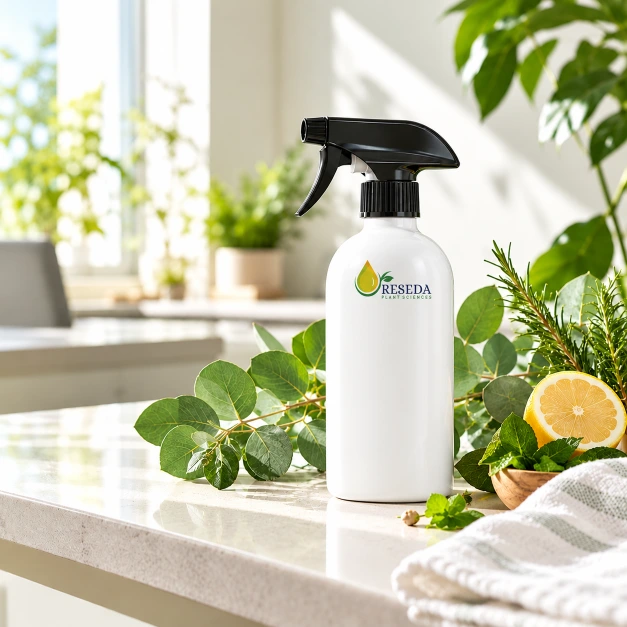
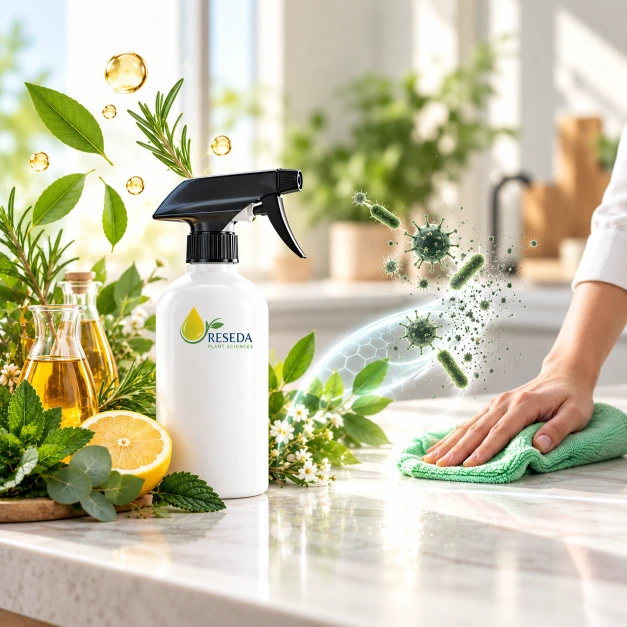
What Is a Plant Based Disinfectant?
A plant-based disinfectant is a surface hygiene product that relies on antimicrobial plant extracts and essential oils instead of synthetic chemical actives. The goal is the same as any disinfectant: to eliminate harmful pathogens from the surfaces people touch every day. Three features set Reseda’s range apart.
1. Plant-derived antimicrobial ingredients
Bio-enzymatic cleaning technology
No unwanted residue
How Is a Plant Based Disinfectant Different From Cleaning and Sanitizing?
| Step | What It Does |
|---|---|
| Cleaning | Removes dirt and visible debris from the surface |
| Sanitizing | Lowers the number of microorganisms to safer levels |
| Disinfecting | Aims to eliminate harmful pathogens |
The CDC gives the same guidance in its cleaning and disinfecting overview: clean surfaces first, because dirt and impurities make disinfection harder. Reseda explains each step in its sanitization and disinfection guide.
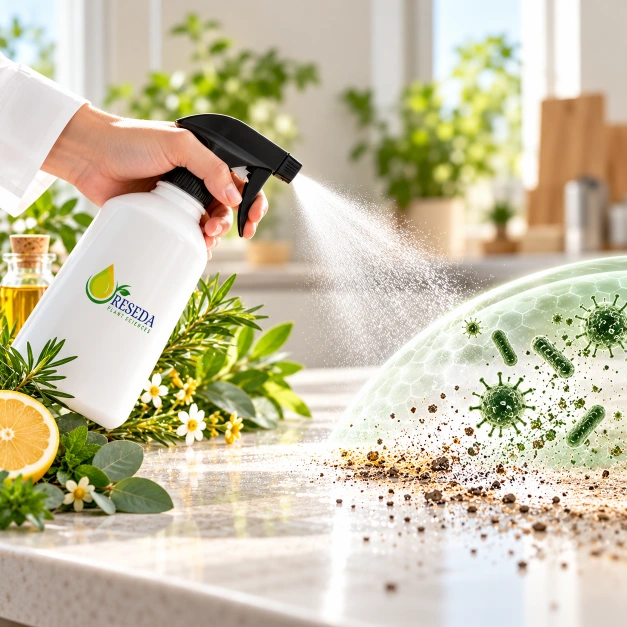
How Does Reseda’s Plant-Based Disinfectant Work?
Reseda’s range combines plant-derived antimicrobial ingredients with bio-enzymatic cleaning technology. The enzymes and microorganisms in the formulation break down grime, and the antimicrobial plant actives target the germs that remain. This sits within Reseda’s wider hygiene and healthcare solutions, which cover personal care, surface and space, and food-grade hygiene.
What Are the Benefits of a Plant-Based Disinfectant?
1. Safer for families: The formulations are non-toxic and suitable for children, pets and people with sensitivities.
2. Tested for surface compatibility: Reseda checks every formulation against the surfaces it is developed for.
3. Backed by testing: Each formulation is checked for purity and efficiency, skin sensitivity, surface compatibility and ecological safety.
4. Responsible by design: The range is biodegradable and safe for sewage treatment systems.
5. Built to scale: The same range serves a single home and a large institutional site.





Safer for families
Tested for surface compatibility
Backed by testing
Responsible by design
Built to scale
Is a Plant Based Disinfectant Safe for Children, Pets and Sensitive Users?
Reseda designs its range for family safety. The formulations are non-toxic and free from VOCs, harsh chemicals and synthetic fragrances. Safe use still depends on good habits, and the CDC lists these in its guide to cleaning and disinfecting your home:
Follow the label
Use the product exactly as the label directs.
Never mix products
Combining cleaning products can create hazards..
Store safely
Keep disinfecting products out of reach of children and pets.
Ventilate
Open windows or run a fan while you work.
Wash your hands
Do this after disinfecting..
Which Surfaces Can Reseda’s Range Treat?
Reseda’s range is developed for these surfaces:.
1
2
3
4
5
Reseda tests every formulation for surface compatibility, and it recommends following the product label for each material.
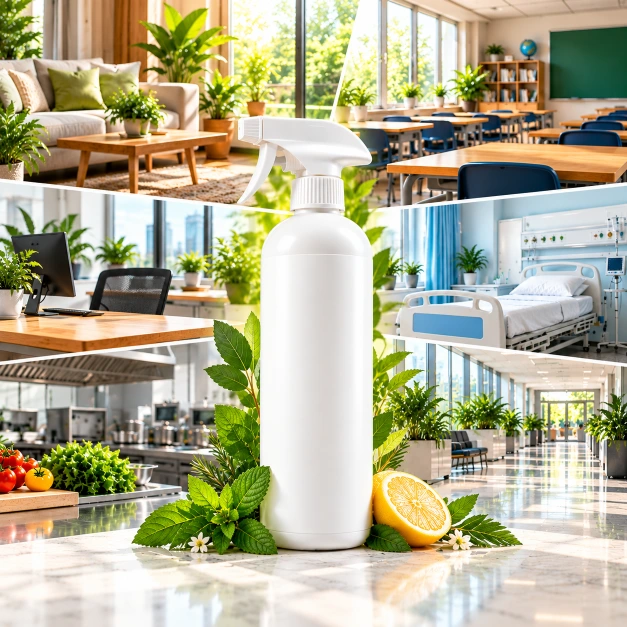
Where Should You Use a Plant Based Disinfectant?
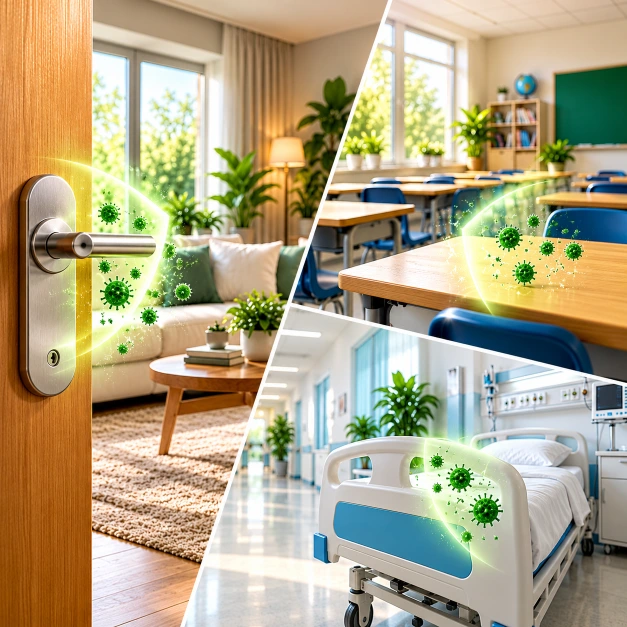
A plant based disinfectant belongs on high-touch surfaces such as door handles, switches, desks and shared equipment. Reseda’s range serves these settings:
1. Homes: High-touch surfaces such as switches and door handles.
2. Schools: Shared desks and learning equipment.
3. Workplaces: Desks, switches and shared equipment in offices.
4. Healthcare settings: Hospitals and institutional healthcare facilities.
5. Food preparation areas: Spaces where regular hygiene matters.
6. Public spaces: Shared touchpoints in high-footfall areas.
When Should You Disinfect, and How Often?
Disinfection is not needed everywhere, every day. CDC advises that regular cleaning is usually enough at home, and that disinfection adds value when someone in the household is sick or has a weakened immune system. In busy places such as offices, hospitals and schools, high-touch surfaces need cleaning and disinfection several times a day.
1. Quiet homes: Clean regularly and disinfect high-touch surfaces after illness or visitors.
2. Busy workplaces and schools: Disinfect high touch surfaces several times a day.
3. Healthcare settings: Follow the facility’s infection control routine.
Is a Plant-Based Disinfectant Better for the Environment?
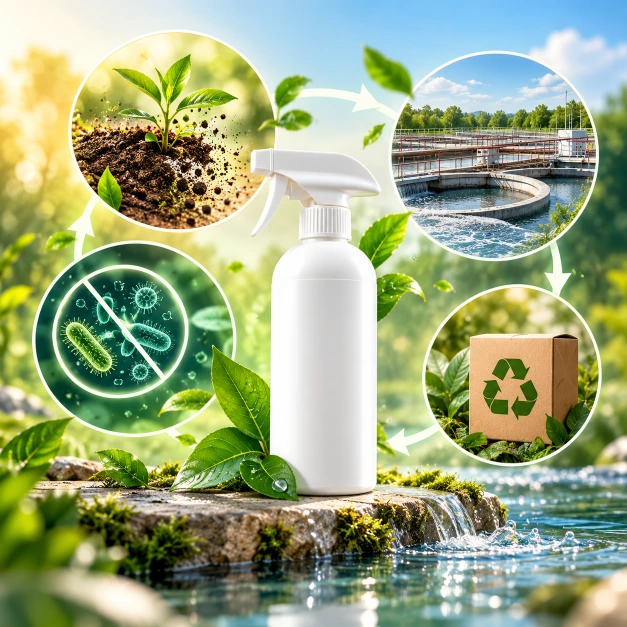
Biodegradable:
Sewage-safe:
No bioaccumulation or resistance:
Packaging offset:
How Is Reseda’s Plant Based Disinfectant Tested?
Reseda develops its range scientifically and tests it in the laboratory for antiviral, antibacterial and antifungal efficacy. Each formulation is also checked for the following:
1. Purity and efficiency
2. Skin sensitivity
3. Surface compatibility
4. Ecological safety
Institutional buyers can request the supporting documentation from Reseda’s sales team.

How Do You Use a Disinfectant Correctly?
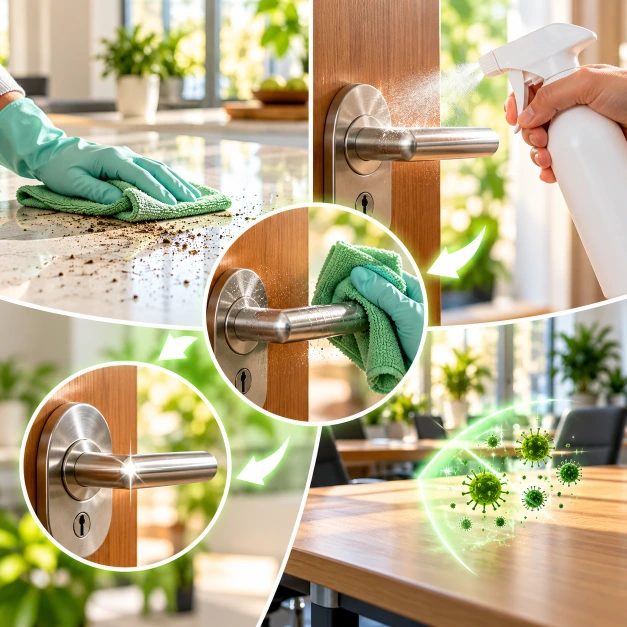
Clean first.
Apply as directed.
Keep the surface wet.
Repeat on high-touch surfaces.
Contact time, dilution and application method decide how well any disinfectant performs, so always follow the label.
Why Choose Reseda for a Plant Based Disinfectant?
Science-led formulation
Reseda develops its range scientifically and tests it in the laboratory for antiviral, antibacterial and antifungal efficacy.
Bio-enzymatic cleaning
Naturally occurring, non-pathogenic enzymes and beneficial microorganisms break down dirt, organic matter and biofilm, so the surface is ready for disinfection.
Family and sensitivity safety
The formulations are non-toxic, free from VOCs and synthetic fragrances, and suitable for children, pets and people with sensitivities..
Surface compatibility
Every formulation is tested for surface compatibility, and the range is developed for glass, tiles, metal, stone, steel and fabric.
Environmental responsibility
The range is biodegradable and safe for sewage treatment systems. The formulations do not contribute to bioaccumulation or antimicrobial resistance, and Reseda takes part in a Plastic Neutral Program.
Institutional scalability
One range serves homes, schools, workplaces, healthcare facilities and commercial cleaning services, which simplifies supply for facility managers..
Reseda also covers personal care hygiene and food-grade hygiene, so buyers can source their wider hygiene and healthcare solutions from one supplier.
Get in Touch with the Reseda Coatings Team
Want to request a sample, explore bulk options, or learn more about integration? Fill out the form below, and we’ll reach out to you promptly.
Prefer email? Reach us at global@resedalife.com
Partner With Reseda – Bring Plant-Based Innovation to Your Market
Q1. What is a plant based disinfectant?
It is a surface hygiene product made with antimicrobial plant extracts and essential oils instead of synthetic chemicals. It sanitises and disinfects surfaces without harsh additives, and it leaves no toxic residue on treated areas.
Q2. Is a plant-based disinfectant safe for children and pets?
Yes. Reseda formulates its range to be free from toxic chemicals, VOCs and skin irritants. The range suits all age groups and pet-friendly environments, and the label directs safe storage and use..
Q3. Does a plant-based disinfectant work as well as a chemical disinfectant?
Plant-based hygiene solutions can be highly effective when they are scientifically formulated. Reseda tests its range in the laboratory for antiviral, antibacterial and antifungal efficacy, and it supports each formulation with testing for purity and surface compatibility.
Q4. Can a plant-based disinfectant be used in hospitals and schools?
Yes. Reseda designs its range for homes, schools, offices, hospitals and public spaces. The range is built for scalability, so commercial cleaning services and facility managers can use it across large institutional sites.
Q5. What is the difference between cleaning, sanitizing and disinfecting?
Cleaning removes dirt and visible debris from a surface. Sanitizing lowers microorganisms to safer levels. Disinfecting aims to eliminate harmful pathogens. A disinfectant works best after cleaning, because dirt and residue can block the active agents.
Q6. How often should you disinfect high-touch surfaces?
Clean and disinfect door handles, switches, desks and shared equipment on a regular routine. In busy places such as offices, hospitals and schools, this can mean several times a day, depending on how many people touch the surface.
Q7.Is a plant-based disinfectant good for the environment?
Yes. Reseda’s range is biodegradable and safe for sewage treatment systems. The formulations do not contribute to bioaccumulation or antimicrobial resistance, and Reseda participates in a Plastic Neutral Program to offset its packaging impact.
Q8. Which surfaces can you treat with a plant-based disinfectant?
Reseda’s range is developed for glass, tiles, metal, stone, steel and fabric. Because each formulation is tested for surface compatibility, it suits homes, schools, workplaces and healthcare settings. Always follow the directions on the product label.