
Types of Textile Finishes Explained for Modern Fabric Performance
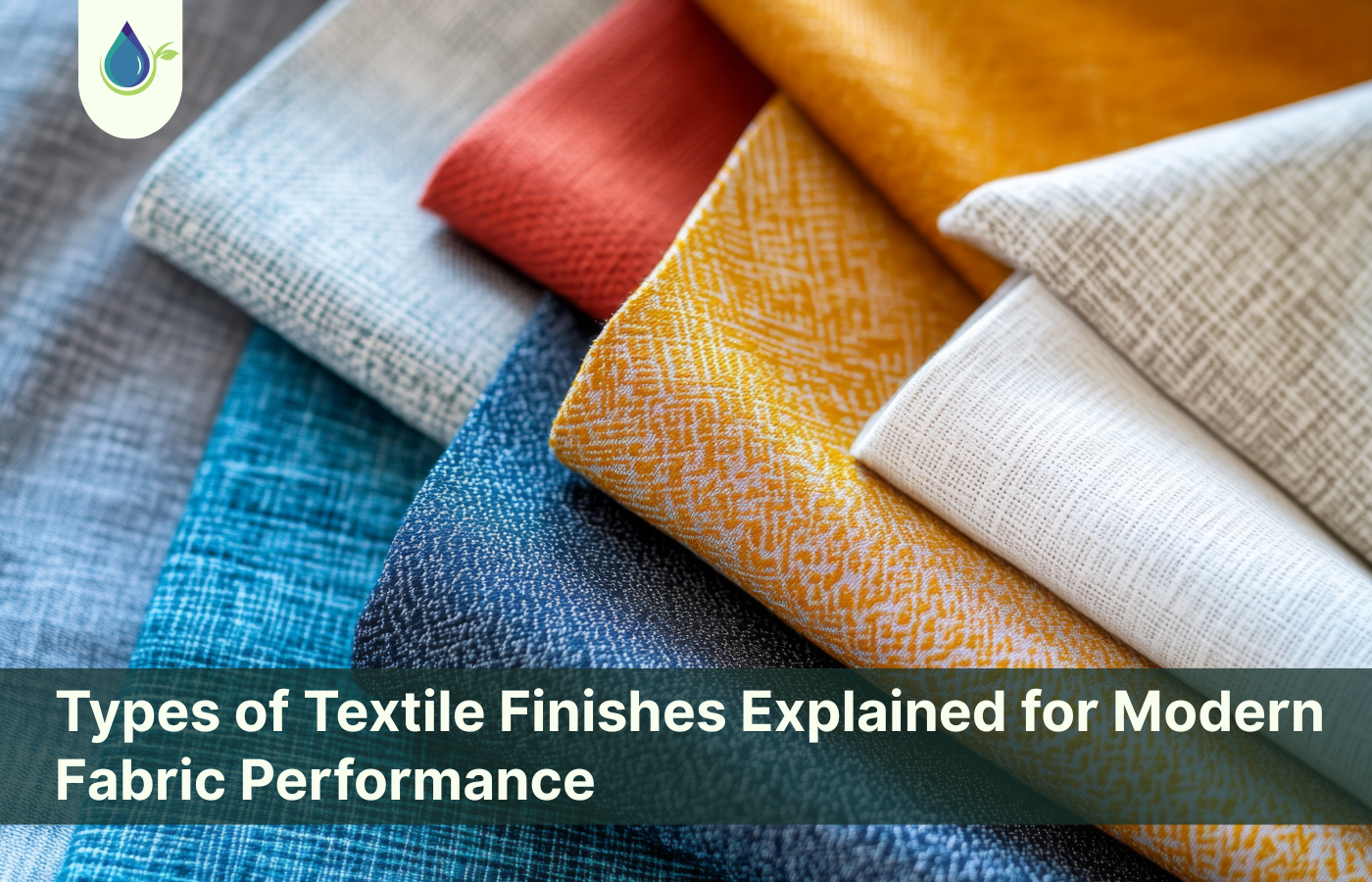
In the textile industry, performance does not end at weaving or knitting. The real transformation happens after fabric formation, during finishing. Understanding the types of textile finishes is essential because these treatments determine how a fabric behaves in real use, how safe it is on skin, and how responsibly it interacts with the environment. Finishing defines whether a textile resists microbes, repels insects, manages odour, feels soft, or supports thermal comfort.
Modern textile buyers expect more than visual appeal. Fabrics today must support hygiene, durability, comfort, and sustainability. This shift has made textile finishing a strategic stage in production rather than a routine step. As fabric requirements become more specialised, understanding the types of textile finishes used in production helps manufacturers align performance goals with safety, comfort, and sustainability expectations.
Why do types of textile finishes matter in today’s fabric lifecycle?
Every fabric faces mechanical stress, moisture exposure, microbial growth, and repeated laundering. Without the right finish, even high-quality fibres degrade quickly or fail to meet user expectations. The types of textile finishes applied to a fabric directly influence its lifespan, usability, and acceptance in regulated markets.
For example, untreated cotton absorbs moisture easily, encouraging microbial growth and odour. Synthetic fibres without surface treatment can trap heat and feel uncomfortable. Finishing modifies fibre behaviour without altering the core structure, making fabrics more suitable for specific applications such as healthcare, activewear, home textiles, or children’s clothing.
What are the functional types of textile finishes used in modern manufacturing?
Textile finishes are broadly applied to enhance protection, comfort, or aesthetics. Antimicrobial finishes are one of the most widely adopted functional treatments. These finishes limit bacterial and fungal growth on fabric surfaces, reducing odour, staining, and material degradation. Selecting the right types of textile finishes ensures that functional benefits such as hygiene control, insect resistance, and comfort enhancement remain effective throughout the product lifecycle.
Insect repellent finishes form another important category. These finishes discourage mosquitoes and fabric pests through surface-active compounds that interfere with insect sensory behaviour. Unlike traditional pesticide treatments, modern plant-based insect finishes aim to offer protection without introducing toxic residues, making them suitable for bedding, upholstery, and garments.
Odour control finishes target volatile compounds generated by microbial activity. These finishes neutralise odour-causing molecules rather than masking them. They are commonly used in innerwear, sportswear, and travel textiles, where freshness retention improves user comfort and reduces wash frequency.
Softening finishes enhance tactile comfort by modifying fibre friction and flexibility. Traditional softeners often rely on silicone or petroleum-based agents, while newer systems use botanical inputs that improve drape and hand feel without leaving synthetic residues. This category is especially relevant in apparel and home furnishings.
Thermal regulation finishes help manage heat exchange between the fabric and the skin. Cooling finishes, for example, use plant-derived actives that create a cooling sensation during wear. These finishes are increasingly applied in summer garments, bedding, and performance textiles.
Colouration-based finishes also play a role in textile performance. Botanical dye systems fall under finishing when they improve colourfastness and reduce environmental impact compared to synthetic dyes. These finishes support cleaner processing while meeting colour durability standards.
Environmental impact of conventional finishing systems
Many conventional finishing processes rely on synthetic chemicals, heavy metals, and energy-intensive curing methods. These systems generate effluents containing persistent compounds that are difficult to treat. Over time, this contributes to water pollution, soil contamination, and occupational exposure risks.
As regulations tighten, manufacturers are reassessing the finishes they use across textile processing. As sustainability standards tighten, evaluating types of textile finishes through the lens of chemical safety, biodegradability, and process efficiency becomes critical for long-term compliance. Compliance with frameworks such as ZDHC and REACH is no longer optional for export-oriented production. Finishes must meet safety standards without compromising fabric performance or production efficiency.
For more insights into sustainable textile finishing and industry trends, read The right way to sustainable finishing. .
How plant-based finishes are reshaping textile finishing
Plant-based finishing technologies address both functional and environmental challenges. These systems use botanical extracts, bio-derived polymers, and natural actives to deliver performance enhancements while maintaining biodegradability. Instead of relying on aggressive chemistry, plant-based finishes work by supporting fabric compatibility with skin and surroundings.
In modern finishing systems, micellar delivery methods help distribute plant actives evenly across fibres. This improves durability and wash resistance without requiring repeated applications. As a result, the types of textile finishes available today can deliver consistent performance while reducing chemical load and energy use.
What determines durability and technical performance in textile finishes?
A finish must survive repeated laundering to remain commercially viable. Industrial testing protocols, such as AATCC wash standards, evaluate how well finishes retain effectiveness over time. High-quality finishes maintain performance across multiple wash cycles without affecting fabric strength or appearance.
Choosing the right finish also reduces downstream environmental impact. Fabrics that stay hygienic longer require less frequent washing, reducing water, detergent, and energy use throughout their lifecycle. This makes finish selection a strategic decision rather than a cosmetic one.
Conclusion
Textile finishing defines how fabrics perform in real conditions. Understanding the types of textile finishes helps manufacturers, brands, and product developers create textiles that meet modern expectations for safety, comfort, durability, and sustainability. As the industry moves toward cleaner production, finishes rooted in plant science offer a practical and responsible path forward. With the right finishing strategy, textiles can deliver higher value while supporting environmental and consumer well-being.
FAQs
1. What are the types of textile finishes in manufacturing?
Types of textile finishes are post-processing treatments applied to fabrics to improve functionality, comfort, hygiene, durability, or appearance. These finishes determine how textiles perform during use, washing, and long-term exposure to environmental conditions.
2. How do functional finishes differ from aesthetic finishes?
Functional finishes enhance performance aspects such as antimicrobial protection or moisture control, while aesthetic finishes focus on appearance or texture. Many modern systems combine both to improve usability without compromising visual quality.
3. Are plant-based textile finishes effective for industrial use?
Yes, plant-based finishes are engineered for industrial scalability and tested for durability. They meet performance standards while reducing chemical load and improving environmental compliance across textile production processes
4. Which industries benefit most from advanced textile finishes?
Healthcare, apparel, home furnishings, hospitality, and sportswear industries benefit significantly because finishing improves hygiene, comfort, and product lifespan in high-use or regulated environments.
5. Do textile finishes affect skin safety?
Finishes directly contact skin, so formulation safety is critical. Plant-based and non-toxic finishes are preferred for garments, bedding, and children’s products due to lower irritation and residue risks.
6. How long do textile finishes last on fabric?
The finish durability depends on formulation and application method. High-quality finishes remain effective for up to 30 wash cycles under standard industrial testing conditions.
7. How does crop rotation support protection goals?
By changing the host crop, rotation disrupts the life cycle of pests and diseases that rely on a particular plant, lowering their population in the soil and surrounding environment.
8. Can textile finishes support sustainability goals?
Yes, the right finishes reduce water use, energy consumption, and chemical discharge. They also extend fabric life, lowering the overall environmental footprint of textile products.
9. Should the selection happen early in product design?
Finish selection should be part of early design planning. It affects fabric choice, processing methods, compliance requirements, and final product performance, making it critical to long-term success.