
Zero VOC Coatings in Modern Surface Protection and Building Materials
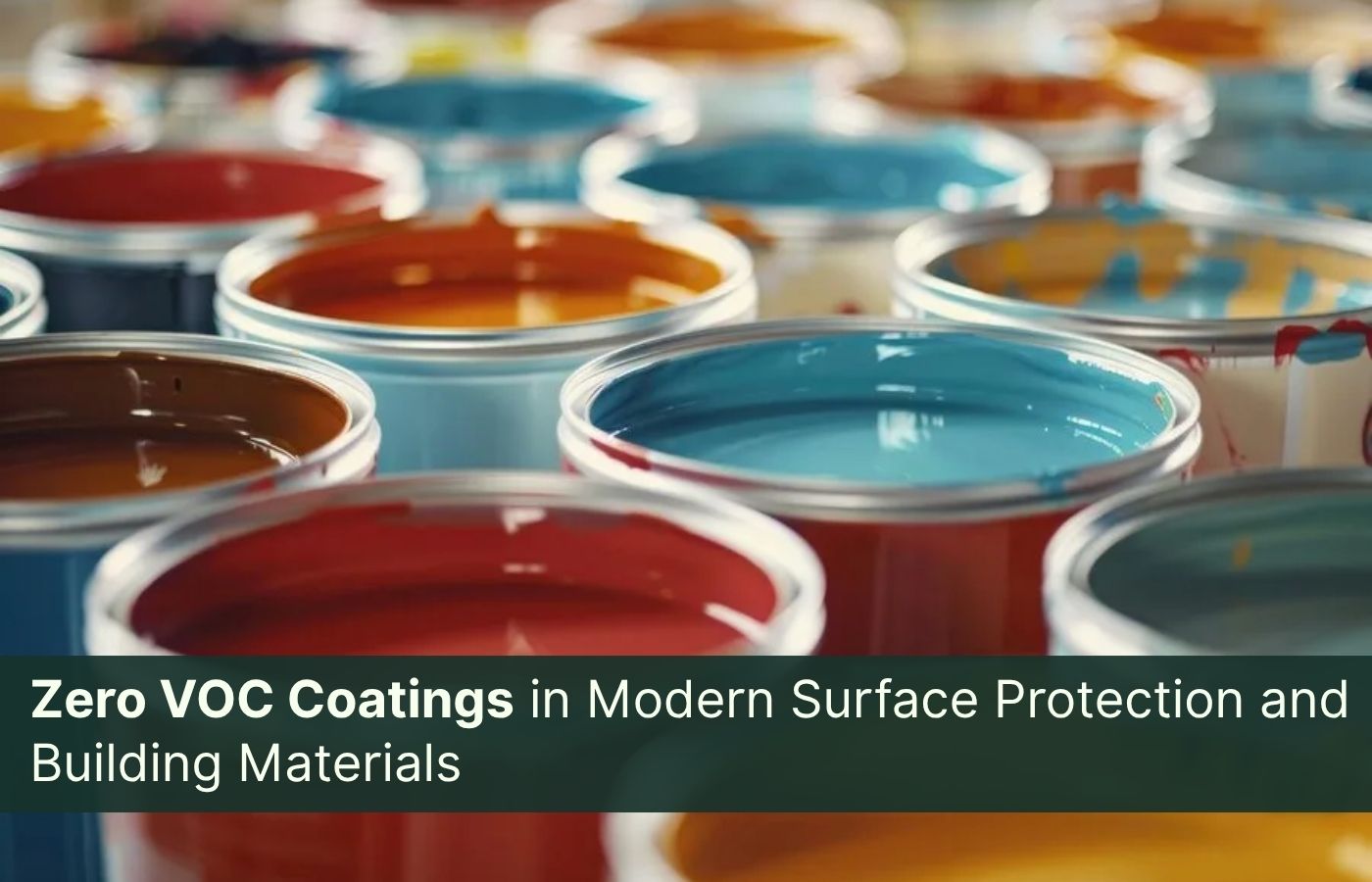
When a building is painted or coated, decisions often focus on colour, durability, and surface finish. Recently, another aspect has started receiving attention: the ingredients used in the coating itself. This growing awareness has brought more discussion around zero VOC coatings.
Paints and protective coatings may contain volatile organic compounds, commonly referred to as VOCs. These substances can evaporate during application and drying. Since coatings are applied across large surface areas such as walls, furniture, metal structures, and equipment, their formulation can influence the surrounding indoor environment.
Architects, contractors, and manufacturers are increasingly examining the composition of finishing materials during construction and renovation projects. Within that conversation, zero VOC coatings are becoming an important topic. These coatings are designed so that measurable VOC content remains extremely low according to regulatory definitions.
Across residential buildings, commercial spaces, and institutional facilities, zero VOC coatings are now being considered during material selection and project planning.
What are zero VOC coatings?
Zero VOC coatings are paint or surface protection products formulated so that the amount of volatile organic compounds released during application remains extremely low, according to regulatory definitions. These coatings are developed using carefully selected binders, pigments, and additives that allow surfaces to be protected without introducing measurable VOC content into the indoor environment.
In practical terms, this means the coating still performs the functions expected from a paint or protective finish. It provides surface protection, adhesion, and aesthetic appearance while maintaining controlled emission levels.
The concept is particularly relevant in modern construction, where large interior surfaces such as walls, ceilings, fixtures, and furniture are coated during building or renovation projects. Because of the surface area involved, materials like zero voc coatings are increasingly considered when evaluating finishing products.
Why are zero VOC coatings gaining attention in construction?
Building practices evolve gradually as knowledge about materials improves. Today, developers and building owners often look beyond appearance and durability. They also examine the environmental characteristics of the products used inside buildings.
Surface coatings are applied across wide areas. Because of this, professionals now review how these materials behave during application and curing. Zero VOC coatings attract attention because they are designed to release very small amounts of volatile compounds during these stages.
Research on emissions from low‑ and zero‑VOC paints shows that such products can significantly reduce peak indoor VOC concentrations compared with conventional paints, while still maintaining acceptable drying behaviour and finish quality.
This becomes particularly relevant in enclosed environments where painting may occur while buildings remain occupied or shortly before occupancy begins. Schools, hospitals, offices, and residential buildings frequently evaluate coating specifications carefully when planning interior work.
Another factor influencing this trend is the increasing interest in sustainable construction practices. Several building certification frameworks review the emission characteristics of materials used inside structures. As a result, architects often consider zero VOC coatings when specifying interior finishes.
Manufacturers have also refined coating technologies over the years. Advances in resin chemistry and additive systems allow coatings to maintain adhesion, durability, and colour stability while meeting strict emission limits. Because of these developments, zero VOC coatings are widely used in modern construction projects.
How do zero VOC coatings perform on different surfaces?
Coatings are expected to perform reliably on a variety of surfaces. Interior walls, wooden panels, metal fixtures, and concrete structures each require slightly different protective characteristics. Developers of zero VOC coatings design formulations that remain compatible with these materials.
On interior drywall and plaster, coatings must provide even coverage and maintain a consistent finish across large wall surfaces. They should also tolerate occasional cleaning in offices, schools, and residential corridors.
Wood surfaces introduce additional considerations. Doors, cabinets, and furniture require coatings that adhere properly while preserving the appearance of the material. With suitable formulation, zero VOC coatings can maintain the visual quality of wooden surfaces while providing protective coverage.
Metal components used in industrial environments or building fixtures require coatings that resist corrosion and surface wear. Coating manufacturers adapt resin systems to support these requirements while maintaining emission standards.
Concrete and masonry surfaces often experience temperature variation and moisture movement. In these cases, zero VOC coatings are formulated to maintain adhesion and stability across changing conditions.
Because coatings are used in such diverse environments, modern formulations are designed with flexibility in mind. The objective is to support surface protection across multiple applications while meeting evolving material standards.
What should professionals evaluate before selecting zero VOC coatings?
Selecting a coating involves more than reviewing its emission profile. Architects, contractors, and facility managers typically examine several practical considerations before specifying zero voc coatings for a project.
Surface compatibility is one of the first aspects evaluated. Each substrate behaves differently, so the coating must match the material being treated. Interior drywall, metal structures, wood surfaces, and masonry all require appropriate coating formulations.
Application conditions are another factor. Some coatings are applied using rollers or brushes, while others are sprayed over large areas. The viscosity and drying behaviour of zero VOC coatings should support the chosen application method.
Durability expectations also influence selection. Areas with heavy foot traffic or regular cleaning require coatings that maintain performance over time. Manufacturers test their formulations under different environmental conditions to ensure consistency.
Finally, project requirements may include guidelines related to indoor environments or sustainability goals. When such standards are part of construction planning, zero VOC coatings may be considered as one of the material options.
When these aspects are reviewed carefully, coatings can support both surface protection and responsible material selection.
Conclusion
Surface coatings remain an essential part of construction and manufacturing. They protect materials, extend durability, and contribute to the overall appearance of buildings and equipment.
As more attention is given to material composition and indoor environments, zero voc coatings have become part of the discussion around modern finishing materials. These coatings allow surfaces to receive protective treatment while aligning with growing interest in emission-conscious building practices.
For architects, facility managers, and manufacturers evaluating finishing materials, exploring zero voc coatings can be a practical step when reviewing coating technologies used in construction and industrial environments. Learn more about zero VOC coatings. .
Frequently Asked Questions
1. What does VOC mean in coatings?
VOC stands for volatile organic compounds. These are chemical substances that may evaporate into the air during the application or drying of certain paints and coatings used on building surfaces.
3. Do these coatings perform well on interior walls?
Modern coating technologies are developed to maintain adhesion, durability, and consistent coverage across drywall, plaster, wood, and other common interior surfaces.
5. Can they be used in commercial buildings?
Many commercial projects evaluate coatings with reduced emissions when selecting materials for offices, healthcare environments, and institutional buildings.
7. Do these coatings require different painting equipment?
Most modern coating formulations can be applied with standard painting tools such as rollers, brushes, or spray systems, depending on the surface and application conditions.
2. Where are low-emission coatings commonly used?
Low-emission surface finishes are often used in homes, offices, hospitals, and educational facilities where indoor environmental quality receives attention during construction or renovation projects
4. Are these coatings suitable for renovation projects?
Yes. They are frequently considered during repainting or refurbishment work, especially when projects involve interior spaces that will be occupied shortly after application.
6. How are VOC levels measured in coating products?
VOC levels are determined through laboratory testing procedures that measure the quantity of volatile compounds released from coating materials during curing and drying stages.
8. Why are these coatings discussed in green building projects?
Sustainability frameworks often assess the environmental characteristics of building materials. Coatings with reduced emissions are frequently evaluated when selecting finishes for these projects.